Sufism is a profound philosophical tradition rooted in centuries past, representing the spiritual and esoteric dimension of Islamic belief. Often referred to as tasawwuf, this path places at its center the individual's quest for truth through the discipline of the ego and the purification of the heart. It guides the human being from the outer world to the inner, from multiplicity to unity, from "I" to "we." The Creator and all creation are, in essence, fragments of a single whole. Sufism is not confined to formal acts of worship; rather, it situates love, tolerance, and the consciousness of "oneness" at the very heart of life.
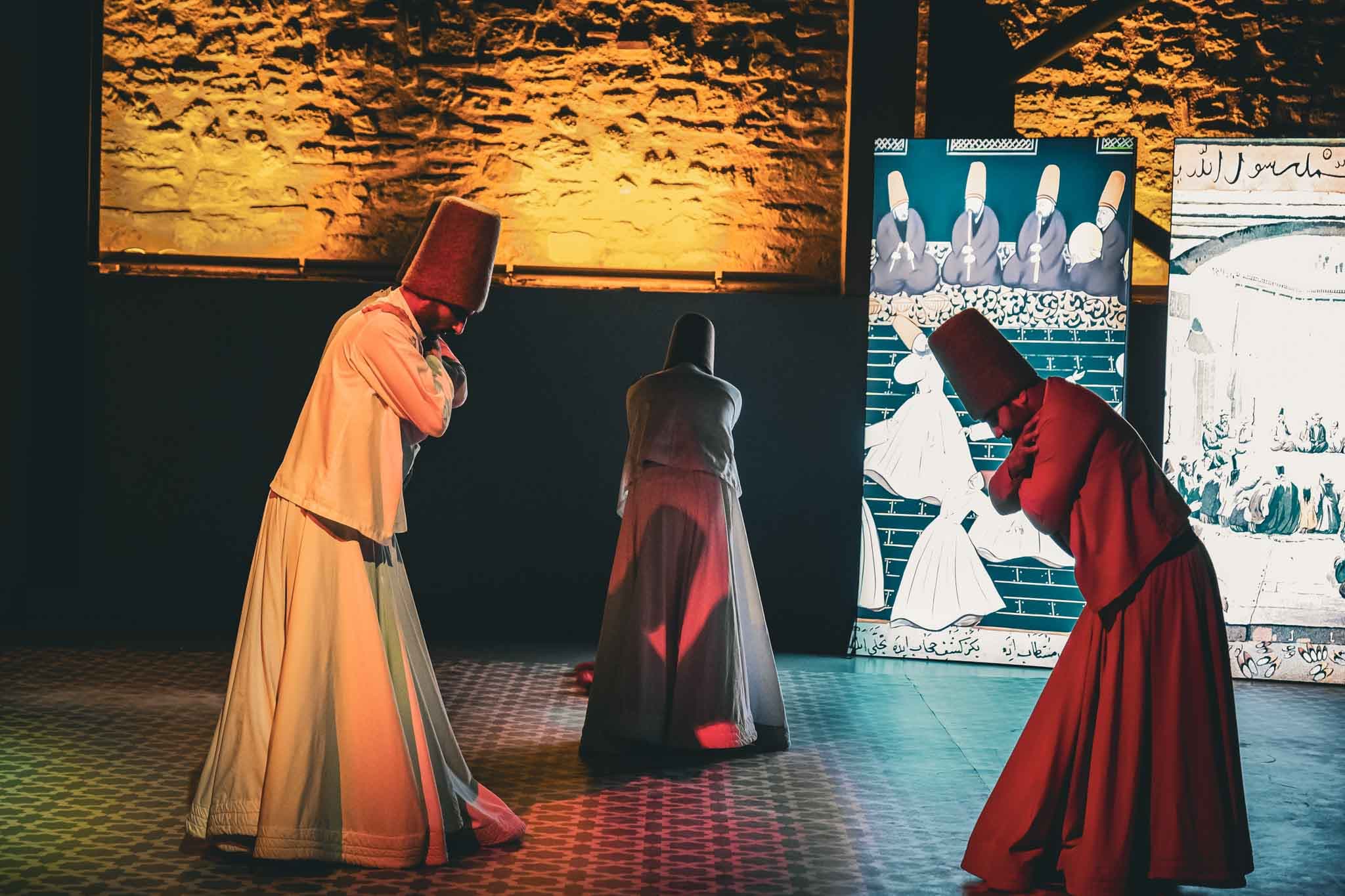
Sufi Traditions in Anatolia: The Legacy of Rumi and Yunus Emre
The lands of Anatolia have, throughout every chapter of history, hosted some of the most aesthetic and evocative expressions of Sufism. The legacy left by great guides such as Rumi and Yunus Emre continues to inspire millions even today. To follow the traces of Sufism is to find serenity in ancient lodges, to comprehend timeless philosophies at their source, and to discover the spiritual texture of Anatolia. This sacred journey promises its travelers not merely a voyage, but an inner tranquility and a message of universal brotherhood.
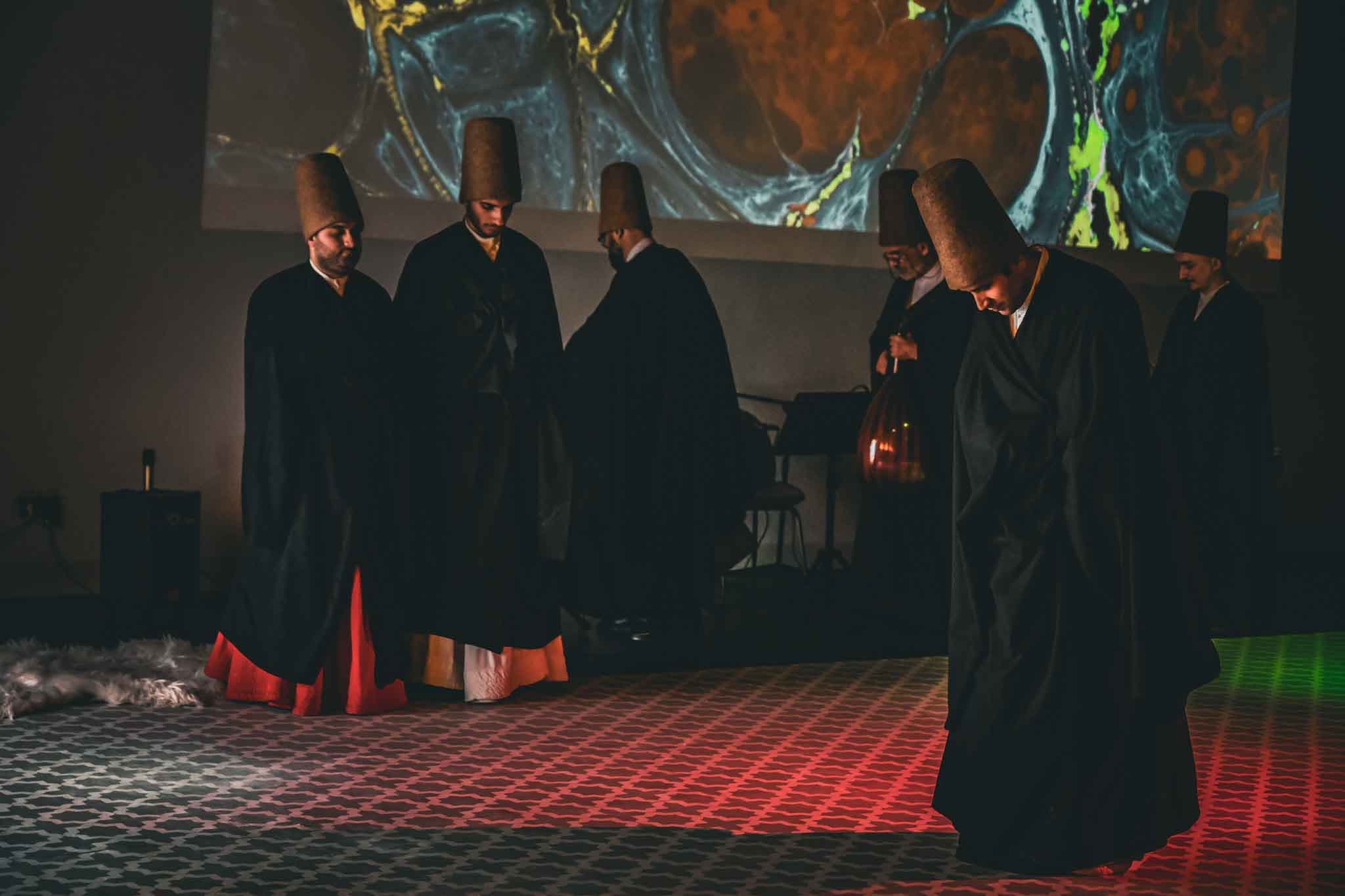
The Meaning of the Mevlevi Sema Ceremony: A Mystical Ritual of Love
One of the most recognizable symbols of this teaching, the Mevlevi Sema Ceremony, is a mesmerizing ritual that represents the soul's shedding of worldly ties and its turning toward divine and mystical love. You may glimpse, in the spirit of a semazen turning in reverent devotion, the same trance-like state once experienced by a tribal chief dancing around fire. In truth, the endlessly turning body speaks of a heart that stands still. What truly matters is learning to fill the heart with love, for according to Rumi;
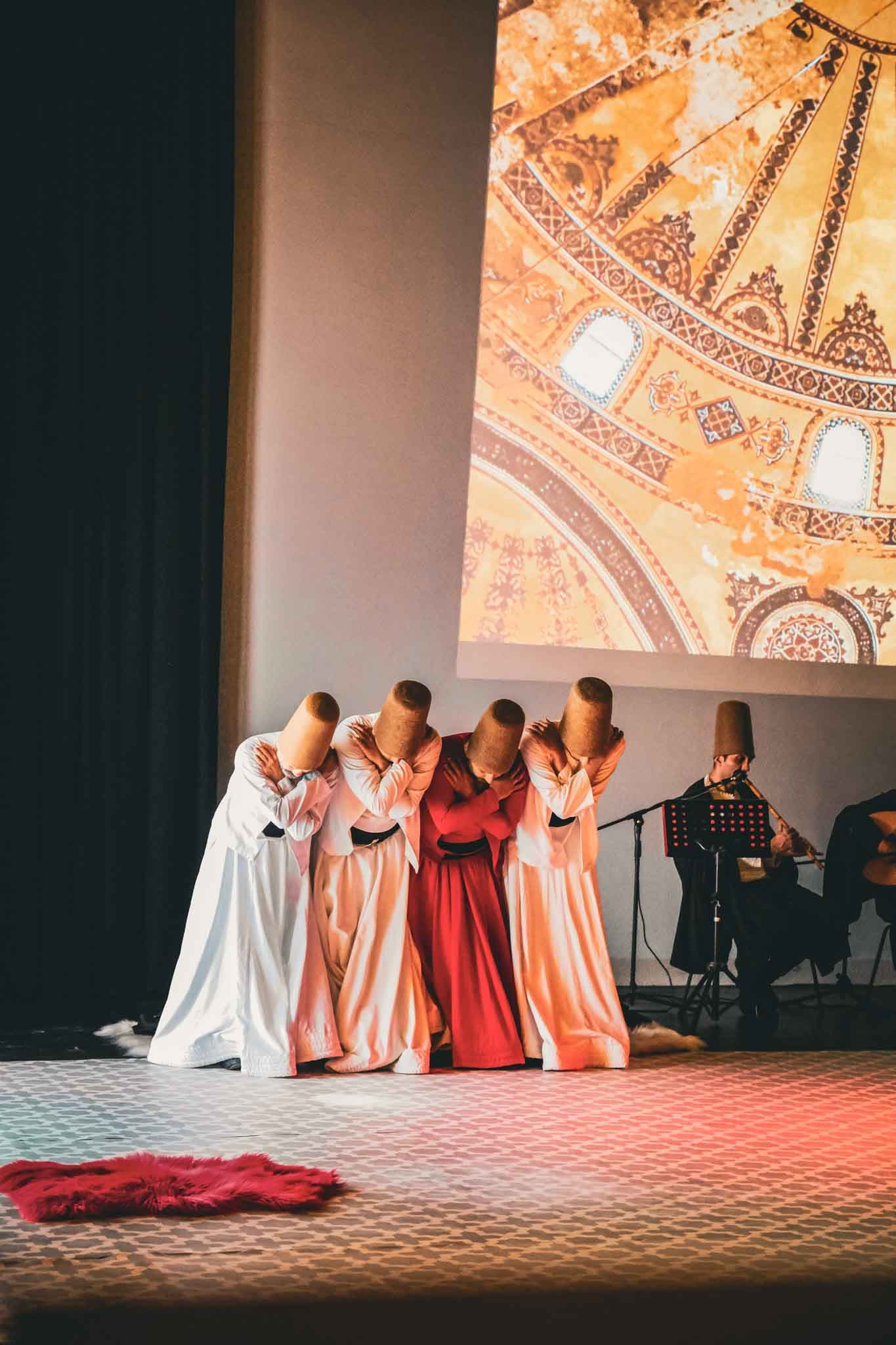
""Truth never visits a heart deprived of love.""
By Mevlevi Guide
Cultural Heritage Team