Whirling Dervish Blog - Articles About Sufi Culture and Mevlevi Tradition
Explore our collection of articles about the Whirling Dervish tradition, Sufi spirituality, and Turkish cultural heritage. Learn about the history of Rumi and the Mevlevi Order, the meaning behind the Sema ceremony, the symbolism of the dervish attire, and the spiritual significance of the Ney flute. Our blog also covers the historic spiritual places of Istanbul and provides comprehensive guides to experiencing the authentic ceremony.
Featured Articles
What is Sufism? A Journey into the Spiritual Heart of Anatolia. Who Was Rumi and What Is the Mevlevi Order? The Meaning and Stages of the Sema Ceremony. What Do the Dervishes Attires Symbolize? The Ney: A Sound of Peace and Spirituality. Spiritual Places of Istanbul: History and Stories. More Than a Dance: A Complete Guide to the Whirling Dervish Ceremony in Istanbul.
Guide: Who Was Rumi and What Is the Mevlevi Order? - Whirling Dervish Istanbul
Come, come, whoever you are... These famous words belong to Mevlana Jalaluddin Rumi, a 13th-century poet, philosopher, and Sufi master who lived in Konya, a city in present-day Turkey.
Rumi was not just a poet — he was a spiritual teacher whose messages of love, tolerance, and unity have crossed centuries, religions, and borders. He believed that all human beings, regardless of their faith, race, or background, come from the same divine source. According to Rumi, the differences between people are superficial, and within every person exists the same divine spark.
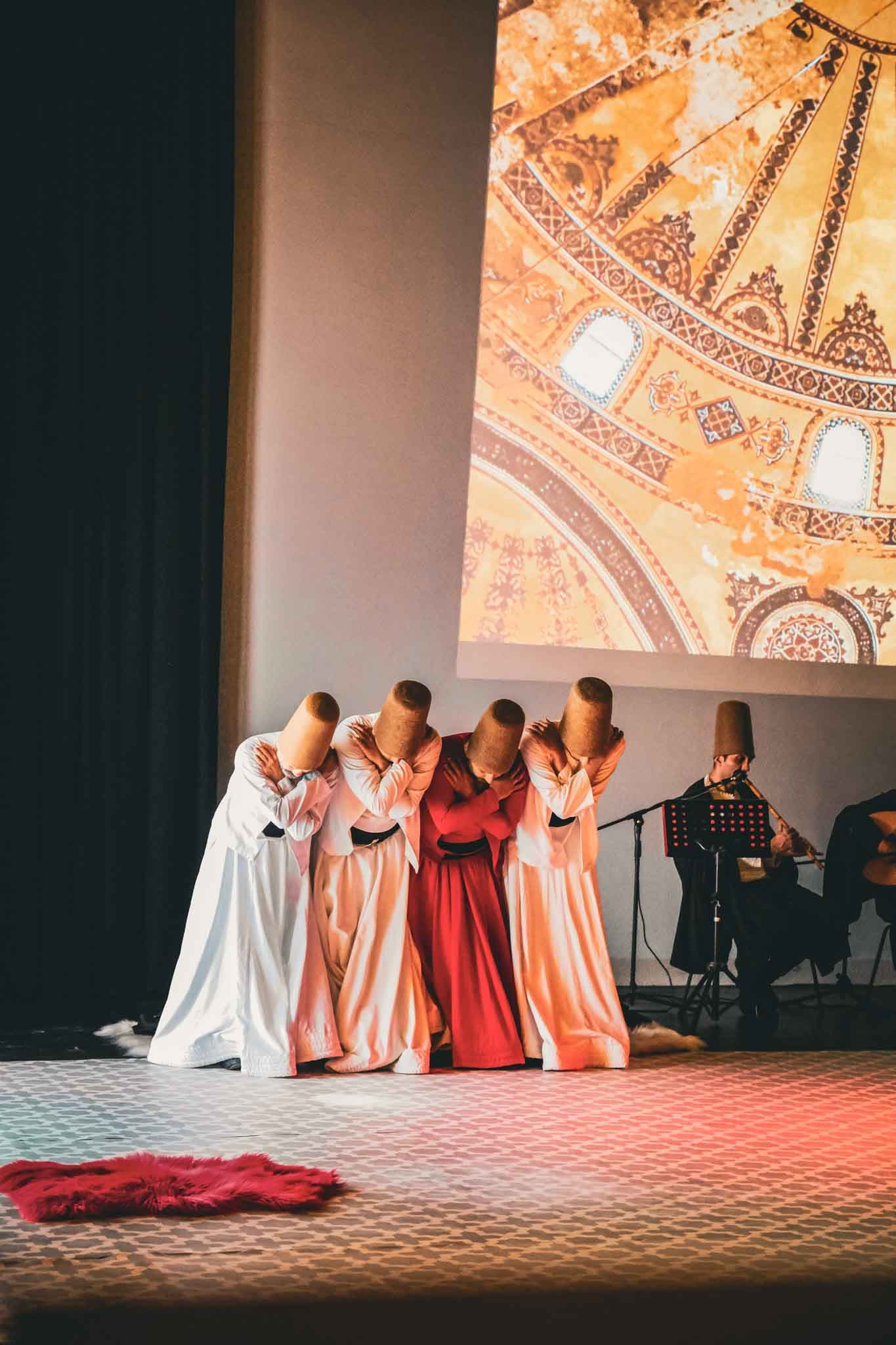
Rumi's teachings inspired a group of followers who eventually formed the Mevlevi Order, a Sufi brotherhood dedicated to living by his principles. The Mevlevi Order, or Mevlevis, embrace a life of inner discipline, self-awareness, and the pursuit of divine love.
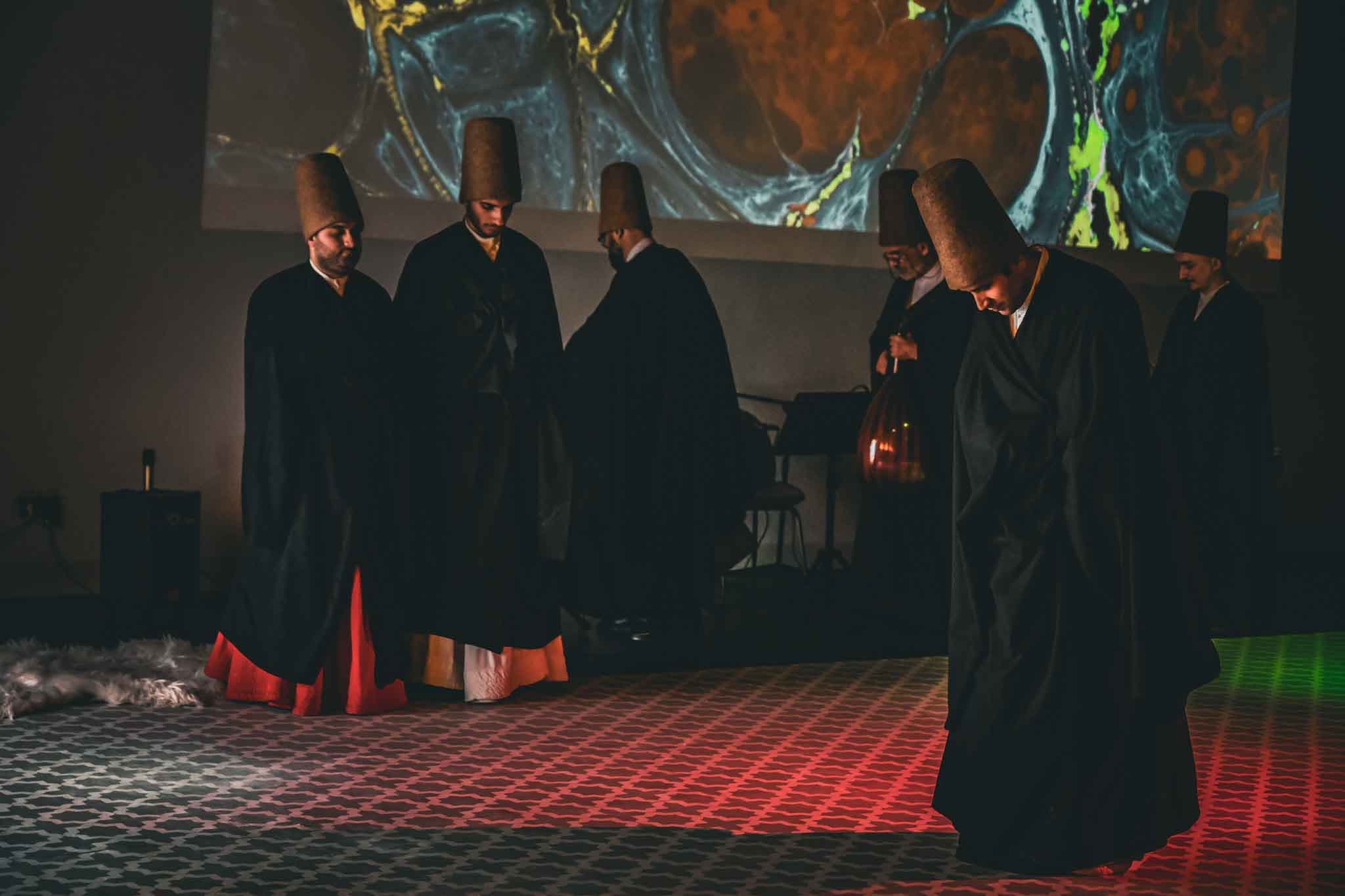
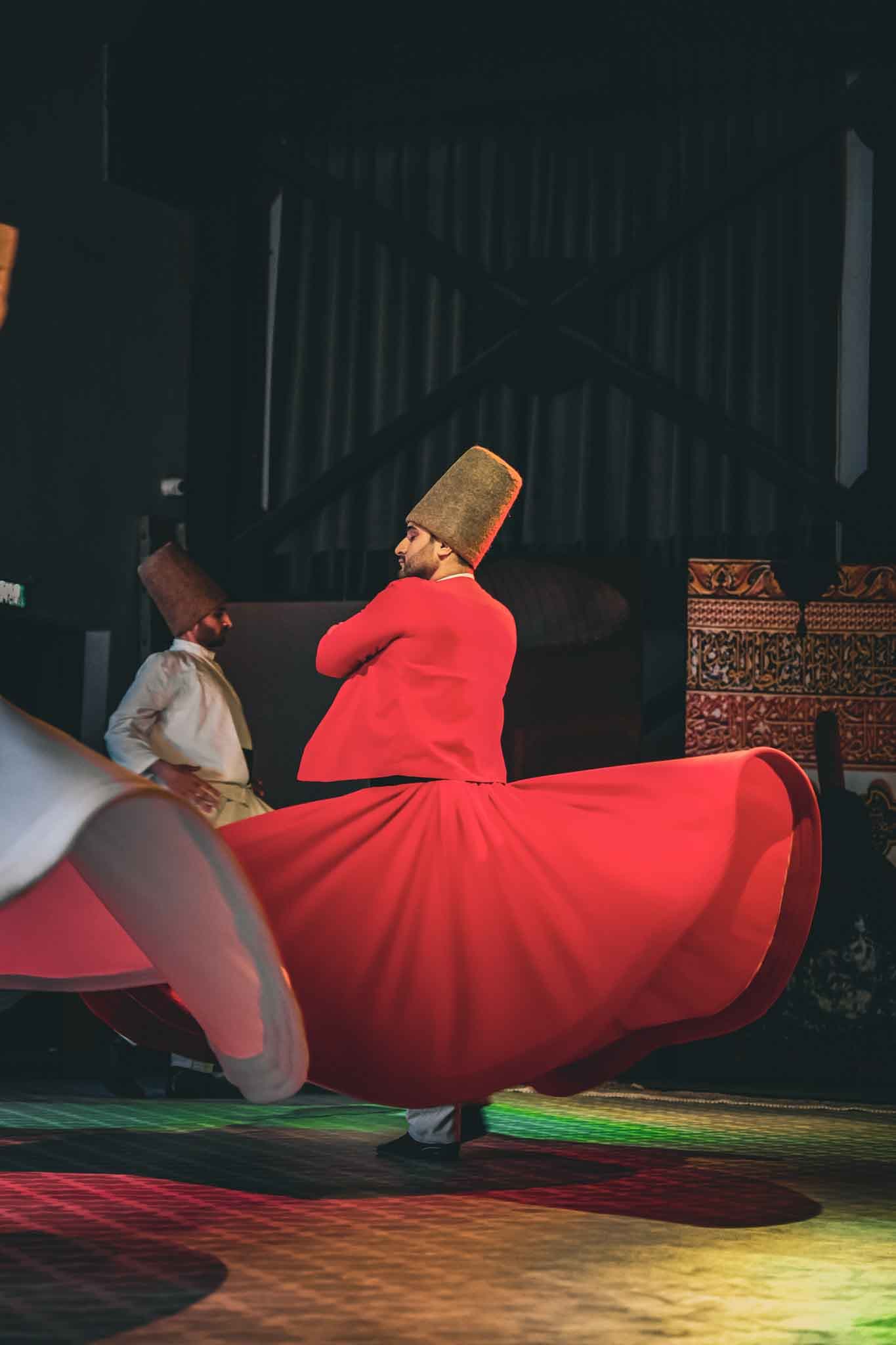
The most famous practice of the Mevlevi Order is the Sema Ceremony, widely known in the West as the "Whirling Dervishes." However, Sema is much more than an elegant performance; it is a symbolic spiritual journey in which the dervishes seek closeness to God through movement, music, and meditation. As they whirl, they represent the rotation of the planets, the movement of the universe, and the soul's yearning to reunite with the Divine.
Mevlevi culture is deeply intertwined with music. Instruments like the ney (reed flute), kudüm (small drums), and rebab (string instrument) accompany the ceremony, providing a spiritual soundtrack that nourishes both the dervishes and the audience.
Today, the Mevlevi tradition is recognized not only as a religious path but as a universal message of peace and love. In fact, UNESCO has declared the Mevlevi Sema Ceremony a Masterpiece of the Oral and Intangible Heritage of Humanity.
In essence, Rumi is a bridge connecting humanity with the Divine, and the Mevlevi Order is the path that walks across that bridge.
Come, come, whoever you are... These famous words belong to Mevlana Jalaluddin Rumi, a 13th-century poet, philosopher, and Sufi master who lived in Konya, a city in present-day Turkey.
By Mevlevi Guide
January 15, 2025
8 min read
Rumi was not just a poet — he was a spiritual teacher whose messages of love, tolerance, and unity have crossed centuries, religions, and borders. He believed that all human beings, regardless of their faith, race, or background, come from the same divine source. According to Rumi, the differences between people are superficial, and within every person exists the same divine spark.
Rumi and Mevlevi tradition - Whirling Dervish ceremony honoring the teachings of Mevlana Jalaluddin Rumi in Istanbul
Rumi's teachings inspired a group of followers who eventually formed the Mevlevi Order, a Sufi brotherhood dedicated to living by his principles. The Mevlevi Order, or Mevlevis, embrace a life of inner discipline, self-awareness, and the pursuit of divine love.
The most famous practice of the Mevlevi Order is the Sema Ceremony, widely known in the West as the "Whirling Dervishes." However, Sema is much more than an elegant performance; it is a symbolic spiritual journey in which the dervishes seek closeness to God through movement, music, and meditation. As they whirl, they represent the rotation of the planets, the movement of the universe, and the soul's yearning to reunite with the Divine.
Mevlevi Sema Ceremony - Authentic Whirling Dervish ritual in Istanbul representing the spiritual journey
Mevlevi culture is deeply intertwined with music. Instruments like the ney (reed flute), kudüm (small drums), and rebab (string instrument) accompany the ceremony, providing a spiritual soundtrack that nourishes both the dervishes and the audience.
Traditional Sufi music instruments - Ney, kudüm and rebab accompanying the Whirling Dervish ceremony in Istanbul
Today, the Mevlevi tradition is recognized not only as a religious path but as a universal message of peace and love. In fact, UNESCO has declared the Mevlevi Sema Ceremony a Masterpiece of the Oral and Intangible Heritage of Humanity.
In essence, Rumi is a bridge connecting humanity with the Divine, and the Mevlevi Order is the path that walks across that bridge.